Harmful effects of vaping and electronic hookah
ZEROSTORE
ZEROSTORE
15 November 2023

Vaping has become increasingly popular in recent years as an alternative to traditional smoking, especially among young people. As we will explain in this article the harms of vaping and electronic hookah, many individuals believe that vaping is a safe and harmless activity. However, the truth is that electronic smoking poses serious health risks that are often overlooked. The use of electronic cigarettes has been linked to lung disease, cancer, heart disease, and other negative health outcomes. Despite the potential risks, vaping is often marketed as a safe and trendy activity, especially for young people. In this post, we will explore the hidden dangers of vaping and the risks you need to know. We will take a closer look at the negative health effects of vaping and provide you with the information you need to make an informed decision about your health and well-being.


Introduction: The growing popularity of e-cigarettes


In recent years, vaping has gained immense popularity, with a significant increase in the number of people indulging in the trend. E-cigarettes were initially marketed as a safer alternative to traditional smoking, and were promoted as a way to quit smoking or reduce the harmful effects of tobacco. With its sleek, modern appeal, flavored e-liquids, and attractive marketing tactics, vaping has captured the attention of millions around the world.

The appeal of vaping lies in its perceived benefits. Many people are attracted to the idea of inhaling vapor rather than smoke, as it is often thought to be less harmful to their health and those around them. Vaping devices, also known as e-cigarettes, come in a variety of forms, from compact, discrete vape pens to larger, more powerful devices. These devices heat a liquid (usually containing nicotine) and turn it into an aerosol, which the user then inhales.

What was once considered a niche market has now become a mainstream phenomenon, with vape shops popping up on every corner of town and a widespread online presence to cater to a growing customer base. The vaping industry has expanded rapidly, driven by demand for a seemingly safer alternative to smoking and the appeal of trendy flavors that appeal to both younger and older demographics.

Despite its widespread acceptance and popularity, it is important to delve into the hidden dangers of vaping. While it is true that vaping may be less harmful than smoking traditional tobacco, emerging research is highlighting the potential risks associated with this seemingly harmless habit. In the following sections, we will explore these risks, debunk common misconceptions, and delve into the health implications of vaping.

It’s important to approach vaping with an open mind, looking beyond the glossy ads and marketing campaigns. By understanding the facts and potential risks, we can make informed decisions about our health and wellbeing. Join us as we uncover the hidden dangers of vaping, and reveal the risks you need to know about.


What is e-cigarettes and how does they work?


Vaping has become increasingly popular in recent years, with many people turning to this alternative form of smoking. But what exactly is vaping and how does it work?

But it should be noted that electronic smoking includes vape, tobacco, tobacco products, electronic tobacco, electronic hookah, electronic draw, electronic vape, vape, and vape tobacco, as they all refer to the same name.

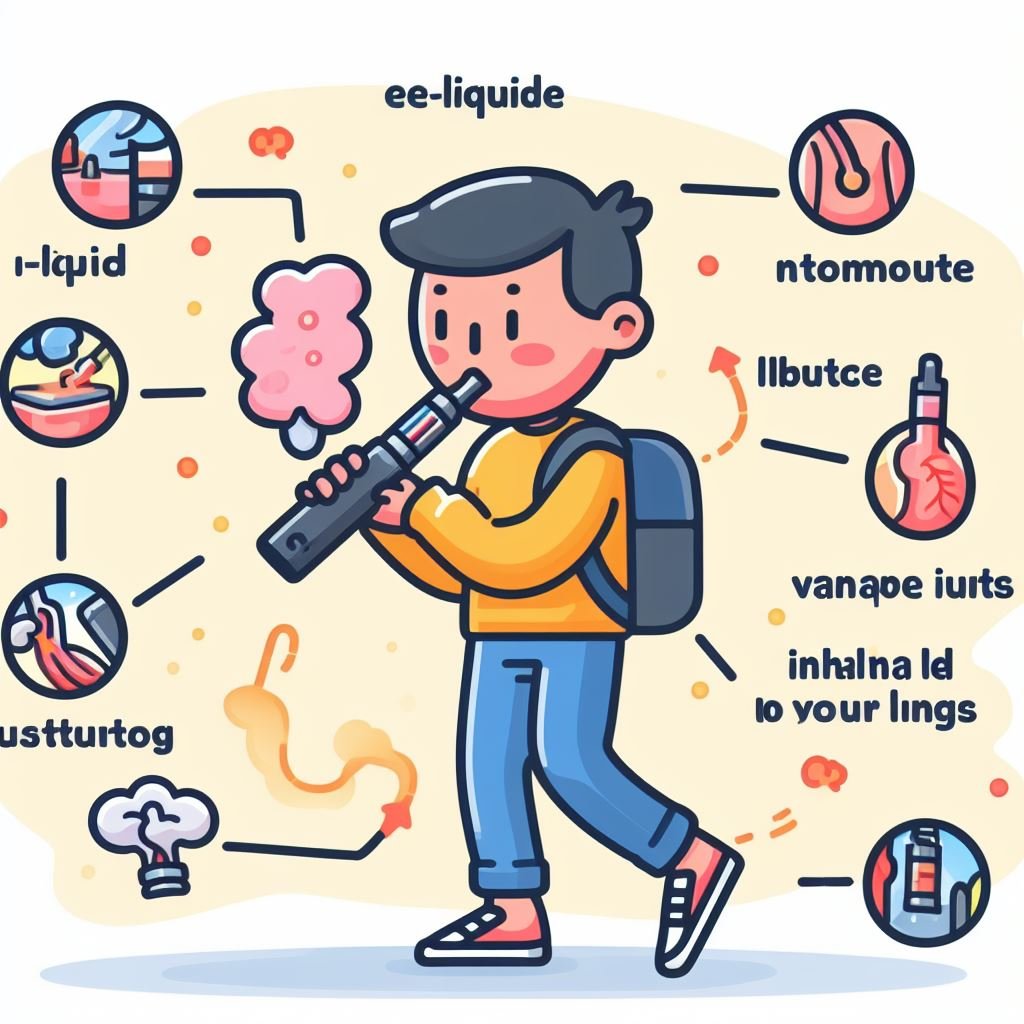
At its core, vaping involves inhaling and exhaling vapor produced by an electronic device known as an e-cigarette or vape pen. Instead of burning tobacco as in traditional cigarettes, e-cigarettes use a heating element to vaporize a liquid solution, often referred to as e-liquid or vape flavors .

E-liquid typically contains a mixture of propylene glycol, vegetable glycerin, flavourings and nicotine (although some e-liquids are nicotine-free). When the user activates the device, the heating element heats up and turns the liquid into a mist or vapor, which is then inhaled by the user.

One of the main reasons vaping is gaining popularity is the belief that it is a safer alternative to smoking traditional cigarettes. However, it is important to understand that e-cigarettes are not without risks.

While e-cigarettes do not produce the harmful tar and combustion byproducts found in traditional cigarettes, they still pose their own set of risks. Inhaling the aerosol can expose users to potentially harmful chemicals, such as formaldehyde, acrolein, and volatile organic compounds (VOCs). These can have adverse effects on respiratory health and may contribute to lung disease.

Furthermore, the long-term effects of vaping are still largely unknown. Studies are ongoing to determine possible links between vaping and lung damage, cardiovascular problems, and other health complications. It’s a rapidly evolving area of research, and the results so far suggest that vaping is not as harmful as initially thought.

In conclusion, vaping involves inhaling vapor produced by an electronic cigarette or vape pen. Although it may be viewed as a safer alternative to traditional smoking, it is important to be aware of the potential risks associated with vaping. As the scientific community continues to study the long-term effects, it is important for individuals to make informed decisions about their health and well-being.


The appeal of vaping: Why do people choose to vape?


E-cigarettes have gained immense popularity in recent years, especially among young people and teenagers. It is often seen as a trendy and modern alternative to traditional smoking. But what exactly is the appeal of vaping that has attracted so many individuals?

One of the main reasons people choose to vape is because it is believed to be a healthier alternative to smoking. Many individuals believe that by vaping, they are avoiding the harmful effects of tobacco. Vaping devices do not burn tobacco like traditional cigarettes, which means users are not inhaling the same levels of toxic chemicals and carcinogens.

Another factor that contributes to the appeal of vaping is the wide variety of flavors available. Unlike regular cigarettes, which typically have a limited range of tastes, vaping liquids come in a range of flavors, from fruity and sweet to minty and refreshing. This variety allows users to customize their vaping experience and experiment with different tastes.

Additionally, e-cigarettes are often portrayed as a more socially acceptable habit than smoking. The lingering smell of tobacco smoke can be annoying to non-smokers, but vaping produces a vapor that dissipates quickly and doesn’t leave a strong odor. This makes it more appealing to individuals who want to enjoy their nicotine fix without disturbing those around them.

Furthermore, the act of vaping itself can be considered a form of self-expression. Vaping devices come in a variety of shapes, sizes, and designs, allowing users to showcase their personal style. From sleek and minimalist designs to intricate artistic creations, vaping devices have become fashion accessories for many enthusiasts.

While the allure of vaping can be tempting, it is important to understand the potential risks and dangers associated with the practice. Understanding the positive and negative aspects of vaping is crucial for individuals to make informed decisions about their health and well-being.


Health risks associated with vaping and electronic smoking:


E-cigarettes have gained popularity in recent years, with many people turning to them as an alternative to traditional smoking. However, it is important to be aware of the health risks associated with this seemingly harmless activity.

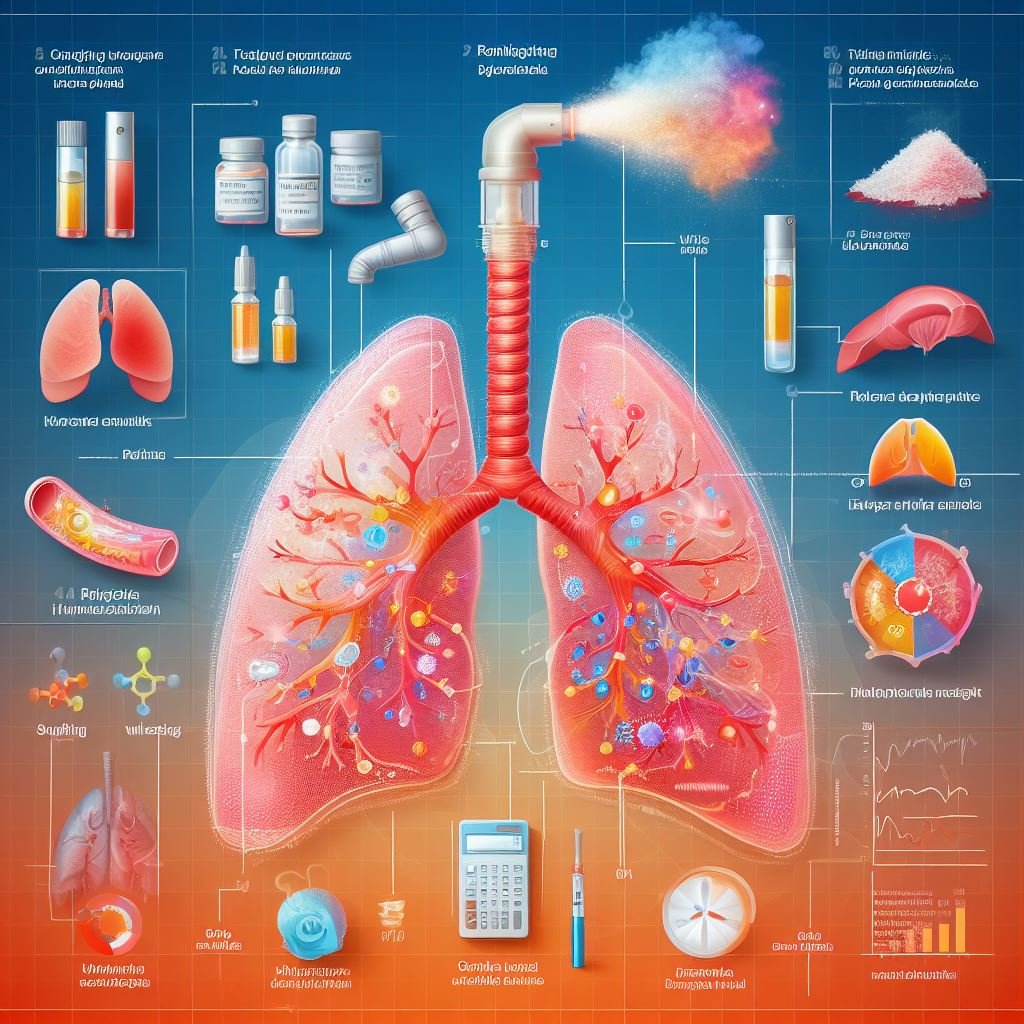
First and foremost, one of the biggest concerns associated with vaping is the potential harm it can cause to the respiratory system. Studies have shown that inhaling volatile substances, such as nicotine and various chemicals found in e-cigarettes, can lead to pneumonia and possibly irreversible lung damage. This can manifest in symptoms such as coughing, wheezing, shortness of breath, and even more serious respiratory illnesses.

Furthermore, the long-term effects of vaping on cardiovascular health are still not fully understood. Preliminary research suggests that chemicals in e-cigarettes may contribute to an increased risk of heart disease, high blood pressure, and hardening of the arteries. Nicotine, a highly addictive substance found in most vaping products, can also raise heart rate and blood pressure, putting additional stress on the cardiovascular system.

Another concerning aspect of vaping is the potential for addiction. Many e-cigarette products contain nicotine, a highly addictive substance that can lead to dependence. The addictive nature of nicotine can make it difficult for individuals to quit vaping, further exacerbating the health risks associated with it.

Furthermore, there have been reports of serious lung injuries and even deaths linked to vaping. These cases, often referred to as vaping-associated lung disease, have raised alarm bells around the world. While the exact cause of these serious cases is still under investigation, it highlights the importance of understanding the potential risks of vaping.

It is important to remember that vaping is not risk-free, and these potential health risks should not be taken lightly. It is essential to stay informed, consult with healthcare professionals, and make informed decisions regarding your well-being. As more research is conducted, a clearer picture of the risks associated with vaping will emerge, allowing individuals to make informed choices about their health and the activities they engage in.


The relationship between vaping, electronic smoking and lung damage


The link between e-cigarettes and lung damage is a topic of growing concern and intense research. Although e-cigarettes are marketed as a safer alternative to traditional smoking, recent studies have highlighted the potential risks and dangers associated with this popular trend.

One major concern is the presence of harmful chemicals in e-cigarette aerosol. When heated, the liquid in e-cigarettes turns into an aerosol that users inhale into their lungs. This aerosol contains various chemicals, including nicotine, formaldehyde, acrolein, and diacetyl, which have been found to cause respiratory problems and lung damage.

Nicotine, a highly addictive substance found in most e-cigarettes, can have harmful effects on the lungs. It constricts blood vessels and reduces the amount of oxygen reaching tissues, which can lead to inflammation and damage to sensitive lung tissue. Long-term exposure to nicotine through e-cigarettes may increase the risk of chronic obstructive pulmonary disease (COPD) and other respiratory diseases.

Furthermore, some studies have revealed a possible link between e-cigarette use and the development of serious lung injuries. In recent years, several cases of e-cigarette or vaping product-associated lung injury (EVALI) have been reported worldwide. EVALI is characterized by symptoms such as cough, shortness of breath, chest pain, fever, and in severe cases, respiratory failure. While the exact cause of EVALI is still under investigation, it is believed to be related to the inhalation of harmful substances found in e-cigarette aerosol.

It is important to recognize that the long-term effects of vaping on lung health are still not fully understood, as e-cigarettes are a relatively new phenomenon. However, emerging evidence suggests that vaping may not be as harmful as initially thought. The potential risks of lung damage associated with vaping should be taken seriously and considered by both users and non-users alike.

To protect your lung health, it is advisable to be aware of the potential risks associated with vaping and to seek out healthier alternatives to nicotine intake. Additionally, supporting further research and regulation in this area could lead to a better understanding of the long-term consequences of vaping on respiratory health, ultimately improving the well-being of individuals and communities.


Nicotine addiction and its consequences


Nicotine addiction is one of the most significant risks associated with e-cigarettes, and it’s important to understand the consequences it can have on your health. Nicotine is a highly addictive substance found in most e-cigarettes and vaping products, and its effects can be harmful to the body.

When you inhale nicotine through an e-cigarette, it quickly enters your bloodstream and reaches your brain within seconds. This triggers the release of dopamine, a neurotransmitter that creates feelings of pleasure and reward. Over time, your brain comes to rely on nicotine to sustain these pleasurable sensations, leading to addiction.

Nicotine addiction can have many negative effects on your health. First, it can increase your heart rate and blood pressure, which puts a strain on your cardiovascular system. This can increase your risk of heart disease and stroke. Additionally, nicotine addiction can lead to respiratory problems, such as coughing, wheezing, and shortness of breath, as well as chronic bronchitis.

Long-term nicotine use also affects brain function, memory, and attention span. It can interfere with a teen’s brain development, which can lead to cognitive impairment and learning difficulties. Additionally, nicotine addiction can worsen mental health conditions such as anxiety and depression.

Breaking free from nicotine addiction can be challenging. Many people find it difficult to quit vaping because of withdrawal symptoms, including cravings, irritability, and difficulty concentrating. Seeking support from healthcare professionals, support groups, or smoking cessation programs can increase your chances of successfully overcoming nicotine addiction.

It is important to be aware of the hidden risks of nicotine addiction when considering vaping as an alternative to traditional tobacco products. Understanding the risks involved can help you make informed decisions about your health and well-being.


The effect of vaping on youth and teenagers


The emergence of e-cigarettes in recent years has raised concerns about their impact on young people and teenagers. Despite being marketed as a safer alternative to traditional smoking, the hidden dangers of e-cigarettes among this vulnerable population cannot be overlooked.

One of the most worrying aspects is the appeal of vaping to young people who may not have smoked before. Attractive flavours, sleek designs and social media influencers promoting vaping as a trendy activity have all contributed to its popularity among teens. The accessibility of e-cigarettes, with their discreet and easily concealable nature, further exacerbates the problem.

Research has shown that vaping can have harmful effects on young people’s developing brains. Nicotine, a highly addictive substance found in many e-cigarettes, poses significant risks to cognitive function and mental health. Studies have linked nicotine exposure during adolescence to poorer memory, attention, and learning abilities. Additionally, it has been linked to an increased likelihood of developing addictive behaviors later in life.

Furthermore, the long-term health consequences of vaping among youth are still under investigation. Inhaling harmful chemicals and potential toxins in e-cigarette aerosol can lead to respiratory problems and lung damage. Recent cases of severe lung injury, often referred to as vaping-associated lung disease, have been reported, raising concerns about the safety of these devices.

Parents, teachers, and health care professionals play a critical role in educating young people about the risks associated with vaping. It is important to have open and informed discussions about the risks of e-cigarettes, emphasizing the potential harm they can cause to their health and well-being.

In conclusion, the impact of vaping on youth and adolescents is a major concern. The appeal of vaping, coupled with the potential long-term health consequences, highlights the need for comprehensive prevention and education efforts. By raising awareness and providing accurate information, we can protect the younger generation from the hidden dangers of vaping and improve their overall health.


Exploring the Unknown: The Long-Term Effects of Vaping


As the popularity of vaping continues to grow, concerns about its long-term health effects are also growing. Although vaping may be viewed as a safer alternative to traditional smoking, it is important to examine the potential risks associated with the practice.

One of the main challenges in understanding the long-term effects of vaping is the relative newness of the technology. Vaping devices have been on the market for a relatively short time, meaning there is limited data available regarding their long-term health effects. However, researchers are beginning to delve deeper into the topic, and early findings are ringing alarm bells.

One area of concern is potential damage to the respiratory system. E-cigarettes involve inhaling a mixture of chemicals, including nicotine, flavorings, and other additives. These chemicals can irritate the lungs and airways, leading to symptoms such as coughing, wheezing, and shortness of breath. In some cases, vaping has been linked to serious lung injuries, with reports of lung damage resembling chemical burns.

Another issue researchers are investigating is the effects of vaping on cardiovascular health. Nicotine, a common ingredient in e-cigarette liquids, can raise blood pressure and heart rate, increasing the risk of heart disease and stroke. Additionally, studies have suggested that inhaling some of the chemicals in e-cigarette products may contribute to atherosclerosis, a condition characterized by the buildup of plaque in the arteries.

Additionally, there are concerns about the potential for addiction and the impact of vaping on brain development, especially in teens and young adults. Nicotine is highly addictive, and vaping devices often deliver high concentrations of the substance. This can lead to the onset of nicotine dependence, making it difficult for individuals to quit vaping or transition to other nicotine delivery methods.

While more research is needed to fully understand the long-term effects of vaping, it is clear that there are potential risks. As a responsible consumer, it is essential to stay informed and make an informed decision about your health. If you are currently vaping or considering trying it, it is important to weigh the potential benefits against the known and unknown risks associated with the practice. Remember, your health is priceless, and protecting it should always be a top priority.


Dangers of Vaping Devices and Batteries and Electronic Cigarettes


When it comes to vaping, many people focus on the potential health risks associated with inhaling vapor. However, it is also important to highlight the risks posed by e-cigarette devices and batteries themselves.

One of the major risks of vaping is the potential for e-cigarette devices to malfunction, leading to serious injury. Reports of explosions and fires caused by faulty batteries have increased in recent years. These incidents can result in severe burns, facial injuries, and even loss of limbs. The lithium-ion batteries used in e-cigarettes are highly volatile and are prone to overheating or short circuiting if mishandled or damaged.

The root cause of these accidents often stems from improper use of the device or the use of incompatible chargers. It is imperative that vapers carefully follow the manufacturer’s instructions and only use chargers that are approved and specifically designed for their device. Neglecting these precautions can lead to serious consequences.

Furthermore, counterfeit and low-quality batteries have flooded the market, posing an even greater risk. These counterfeit batteries may not have the necessary safety features and may be more prone to failure. It is essential to purchase e-cigarette devices and batteries from reputable sellers to ensure their authenticity and quality.

To mitigate the risks associated with e-cigarette devices and batteries, users should regularly inspect their devices for any signs of damage, such as scratches, leaks, or loose connections. It is also essential to store batteries in appropriate cases and avoid exposing them to extreme temperatures or humidity.

In conclusion, while the health risks of vaping are a pressing concern, it is equally important to be aware of the potential risks posed by the devices and batteries themselves. By understanding and respecting the proper handling and maintenance of these components, vapers can minimize risks and ensure their safety while enjoying their vaping experience.


Vaping and e-cigarette regulations and bans: Efforts to curb the epidemic


In recent years, the popularity of vaping has increased dramatically, especially among younger individuals. However, as the industry has grown rapidly, so have concerns about the potential risks associated with vaping. Governments and health organizations around the world have taken notice and have begun implementing a number of regulations and bans in an attempt to curb what is now referred to as an epidemic.

One of the main concerns is the lack of regulation and oversight surrounding the manufacturing and marketing of vaping products. Unlike traditional tobacco products, which are subject to strict regulations, the e-cigarette industry largely operates in a gray area. This has allowed for the proliferation of potentially harmful substances, unverified claims, and inadequate safety measures.

Recognizing the urgent need to address this issue, governments have begun to take action. Many countries have implemented comprehensive regulations to control the sale, distribution, and advertising of e-cigarette products. These regulations often include age restrictions, mandatory health warnings, and restrictions on flavors and nicotine content.

Additionally, many regions have imposed bans on certain types of vaping products or even a complete ban on vaping altogether. These bans are intended to protect individuals, especially young people, from the potential health risks associated with vaping and prevent further worsening of the pandemic.

While these efforts are commendable, it is important to note that regulating and banning e-cigarettes is a complex challenge. The industry is constantly evolving, and new products and technologies are introduced on a regular basis. Therefore, ongoing research, monitoring, and regulatory adaptation are needed to effectively address the risks associated with e-cigarettes.

Ultimately, the goal of these regulations and bans is to protect public health and ensure the well-being of individuals. By curbing the vaping epidemic, governments and health organizations hope to prevent potential long-term health complications and protect future generations from the hidden dangers of vaping.


Tips for Quitting Vaping and Seeking Help


If you become aware of the hidden dangers of vaping and are willing to take steps to quit, you are making a critical decision about your health and well-being. Quitting vaping can be difficult, but with the right strategies and support, it is completely achievable.

1. Set a quit date: Start by choosing a specific date to stop vaping. This will give you a clear goal to work towards and mentally prepare yourself for the journey ahead.

2. Find a support system: Surround yourself with people who understand and support your decision to quit vaping. This could be friends, family, or even joining support groups or online communities where you can connect with others going through the same process.

3. Understand your triggers: Identify the situations, emotions, or activities that cause you to reach for your vaping device. By identifying these triggers, you can develop strategies to deal with them without resorting to vaping. For example, if stress is a trigger, look for alternative stress-relief techniques, such as exercise, meditation, or hobbies you enjoy.

4. Gradually reduce your nicotine intake: Many vaping devices allow users to adjust their nicotine levels. Gradually reducing the nicotine concentration in your e-liquids can help reduce withdrawal symptoms and make quitting easier. We recommend seeking guidance from a healthcare professional or getting nicotine replacement therapy if needed.

5. Replace the habit: Vaping often becomes a habit that is intertwined with certain actions or routines. Replace the physical act of vaping with healthy alternatives such as chewing gum, drinking water, or doing deep breathing exercises.

6. Seek professional help: If you find it difficult to quit vaping on your own, don’t hesitate to seek professional help. Healthcare providers can provide personalized advice, support, and even prescribe medications that can aid in the smoking cessation process.

Remember that quitting vaping is a journey, and setbacks may happen. Be kind to yourself and stay focused on your goal. Every day without vaping is a step toward a healthier future.


Conclusion: Making informed choices for a healthy future


In conclusion, it is essential to make informed choices when it comes to vaping in order to protect our health and ensure a healthy future. The hidden dangers of vaping have been revealed through extensive research and studies, which have highlighted the potential risks that users should be aware of.

While vaping may initially seem like a safer alternative to traditional smoking, it’s important to realize that it’s not without its own set of risks. Inhaling the harmful chemicals and toxins found in e-cigarettes can lead to serious respiratory problems, cardiovascular problems, and even lung injuries.

As responsible individuals, we must prioritize our well-being and make informed decisions about our habits and choices. It is essential to stay informed about the latest research and information regarding vaping and its potential health effects.

If you currently use e-cigarettes or are considering trying them, take the time to fully understand the risks involved. Consult reputable sources, engage in open conversations with healthcare professionals, and make informed decisions based on the available evidence.

Furthermore, it is imperative to support public health initiatives that aim to regulate the e-cigarette industry and protect consumers from potential harm. By advocating for stricter regulations, transparent labeling, and comprehensive product testing, we can help create a safer vaping environment for everyone.

Ultimately, our health and well-being should always be a priority. By staying informed, making responsible choices, and actively participating in the conversation surrounding vaping, we can pave the way for a healthier future. Let’s work together to protect ourselves and those around us from the hidden dangers of vaping, to ensure a better tomorrow for all.

As we wrap up our blog post on the hidden dangers of vaping, we hope you now have a better understanding of the risks associated with this popular activity. Vaping may seem harmless, but the reality is far from it. There are many risks that should be taken seriously, from potential lung damage to addiction. It is essential to prioritize your health and make informed decisions when it comes to your options. We encourage you to share this information with others, as awareness is key in combating the harmful effects of vaping. Together, let’s strive for a healthier future.